In Thailand, one of the country’s largest wind energy operators cut Lightning Protection System (LPS) inspection times from three days to just 30 minutes per turbine with Horus Solutions — a leading Thailand-based drone services provider — using the Voliro T aerial inspection platform.
Until now, LPS inspections in Thailand were rare and reactive. High downtime costs, a shortage of certified rope access technicians, and the risk of lightning-related failures meant turbines often went unchecked until a problem occurred. Rope access required three technicians, three days, and complete shutdown — making fleet-wide checks unrealistic.
Using the Voliro T’s precise, contact-based measurement tools, Horus Solutions replaced costly rope access work with a fast, repeatable, data-rich workflow. This shift has allowed the operator to move from reactive inspections to scheduled annual maintenance, expanding its coverage across the fleet.
84% Faster LPS Inspections: Traditional rope-access LPS inspections take 3 full days per turbine. With the Voliro T, each inspection is completed in just 30 minutes, enabling routine, proactive checks for the first time.
Operational Savings and Risk Reduction: Eliminating rope access reduces high-risk climbs, while frequent inspections lower the likelihood of lightning-related failures, fires, and costly unplanned outages.
Minimal Downtime: Turbines remained offline for less than 30 minutes during inspection versus three days previously dramatically reducing lost energy production and increasing asset availability.
High-Quality, Verifiable Data: Every inspection now produces a traceable digital record (photos, video, and metadata), improving decision-making, maintenance planning, and regulatory compliance.
Lightning Protection System (LPS) inspections are critical for wind turbine reliability — especially in Thailand, where extreme weather and pollution accelerate wear and damage.
Historically, these inspections relied on rope access teams, a method that:
Because of the high costs and limited availability of qualified rope access technicians, most operators inspected turbines only after failures occurred, risking longer unplanned outages and reduced asset life. Even then, traditional inspections produce little verifiable documentation, making it hard to validate results or plan long‑term maintenance.
One of Thailand’s largest wind energy operators set out to change its turbine maintenance procedure, turning to Horus Solutions to find a way to conduct proactive LPS inspections.
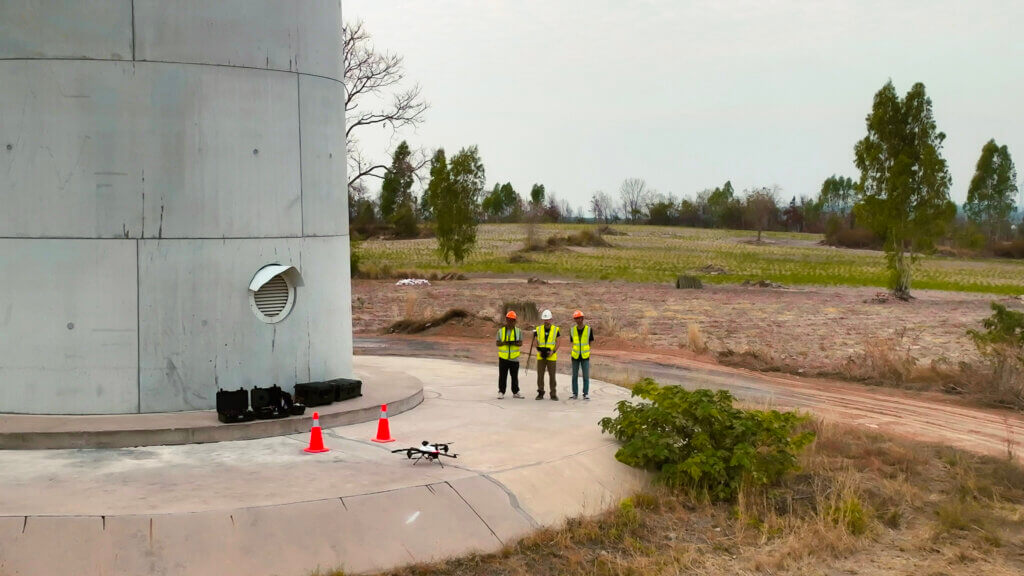
To overcome the high costs and slow turnaround of rope access work, the operator partnered with Horus Solutions to test a faster, safer, and higher-quality workflow.
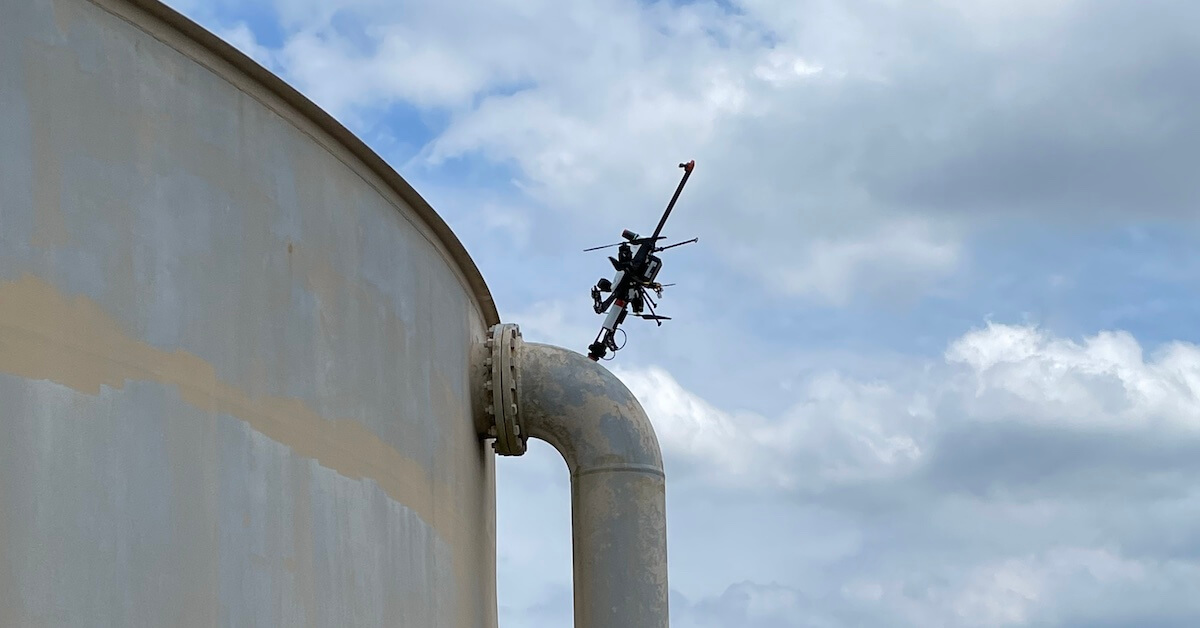
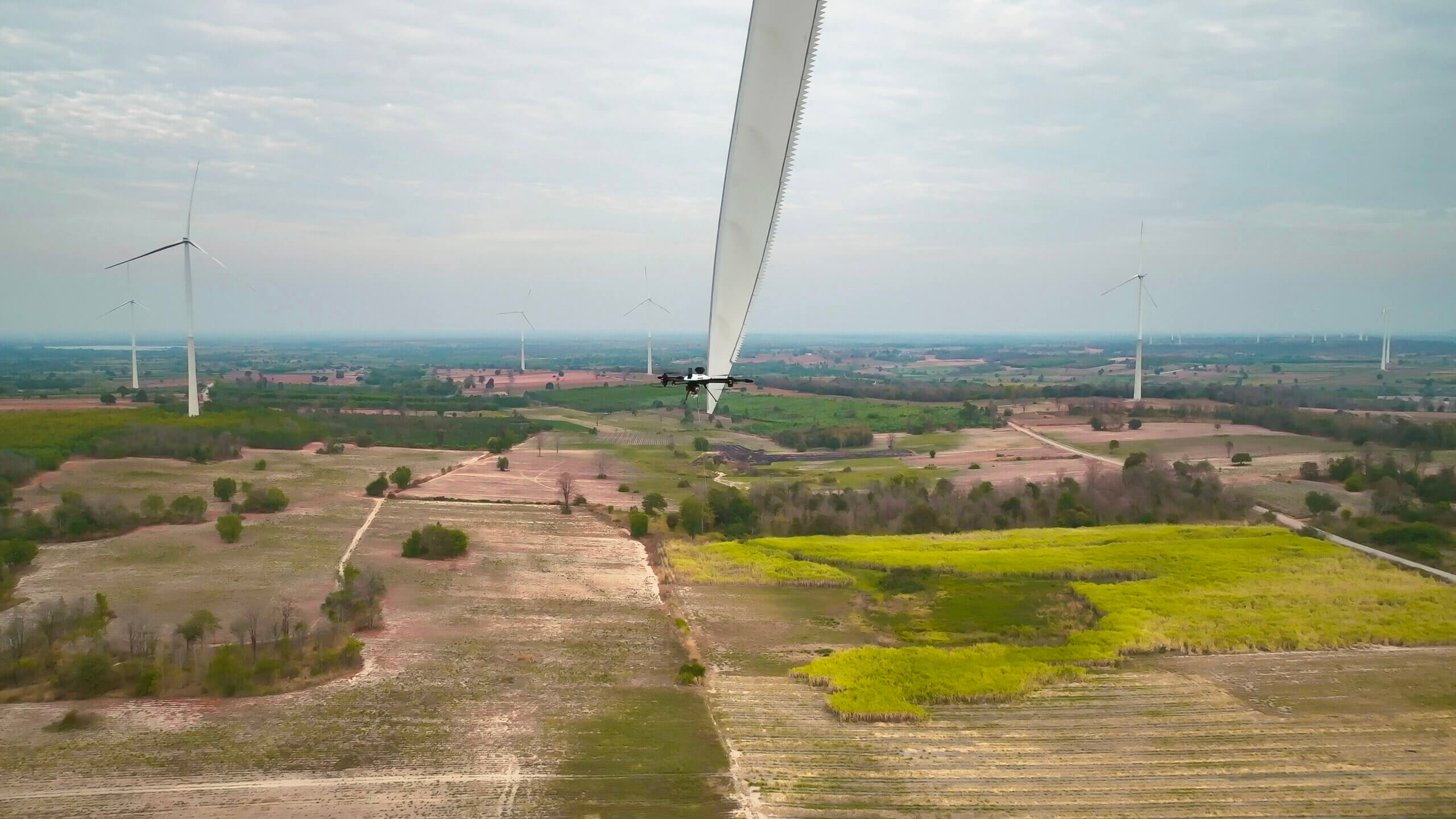
With on-site support from Dennis den Elzen, Voliro’s Customer Success Engineer, Horus Solutions deployed the Voliro T. For this project, the Voliro T was equipped with its specialized LPS inspection payload to measure the electrical continuity and resistance of the lightning protection system to IEC standards. The drone made direct contact with turbine blades, collecting accurate, repeatable measurements without the need for rope access teams.
Inspection operating conditions:
The new process was structured, repeatable, and fully documented. Every measurement was backed by photos, video logs, and metadata, giving engineers a verifiable digital record for post-flight review and long-term planning.
The wind energy operator has moved from performing reactive LPS inspections only after failures to conducting annual, routine checks across its fleet—a shift made possible by the Voliro T and Horus Solutions’ drone-based workflow.
The operator can now inspect each turbine in just 30 minutes, compared to three full days using rope access. The reduced time, cost, and labor requirements have unlocked a sustainable, proactive maintenance program.
Without the Voliro T approach, these inspections wouldn’t happen at all. There simply isn’t enough of a maintenance budget to complete this work at scale. And even if there was a budget for it, there aren’t enough rope access technicians in the region to do the work. The Voliro T is the only way we can do this work.” – Toma Chan, Founder and CTO at Horus Solutions
Cutting inspection time from three days to just 30 minutes has turned LPS inspections in Thailand from an occasional, reactive task into a routine, data-driven maintenance program.
Given the impressive results, the Thai wind energy operator has rapidly expanded the program across its fleet, securing an ongoing retainer and scaling to broader coverage year after year.
Beyond speed, the program has delivered high-quality, traceable inspection data that boosts confidence among engineering teams. For the first time, every LPS measurement, photo, and video log is archived for verification and long-term planning.
With this foundation, Horus Solutions is positioned to expand its drone-based inspection services to other assets, setting a new standard for safer, smarter, and more scalable inspection workflows across the region.